
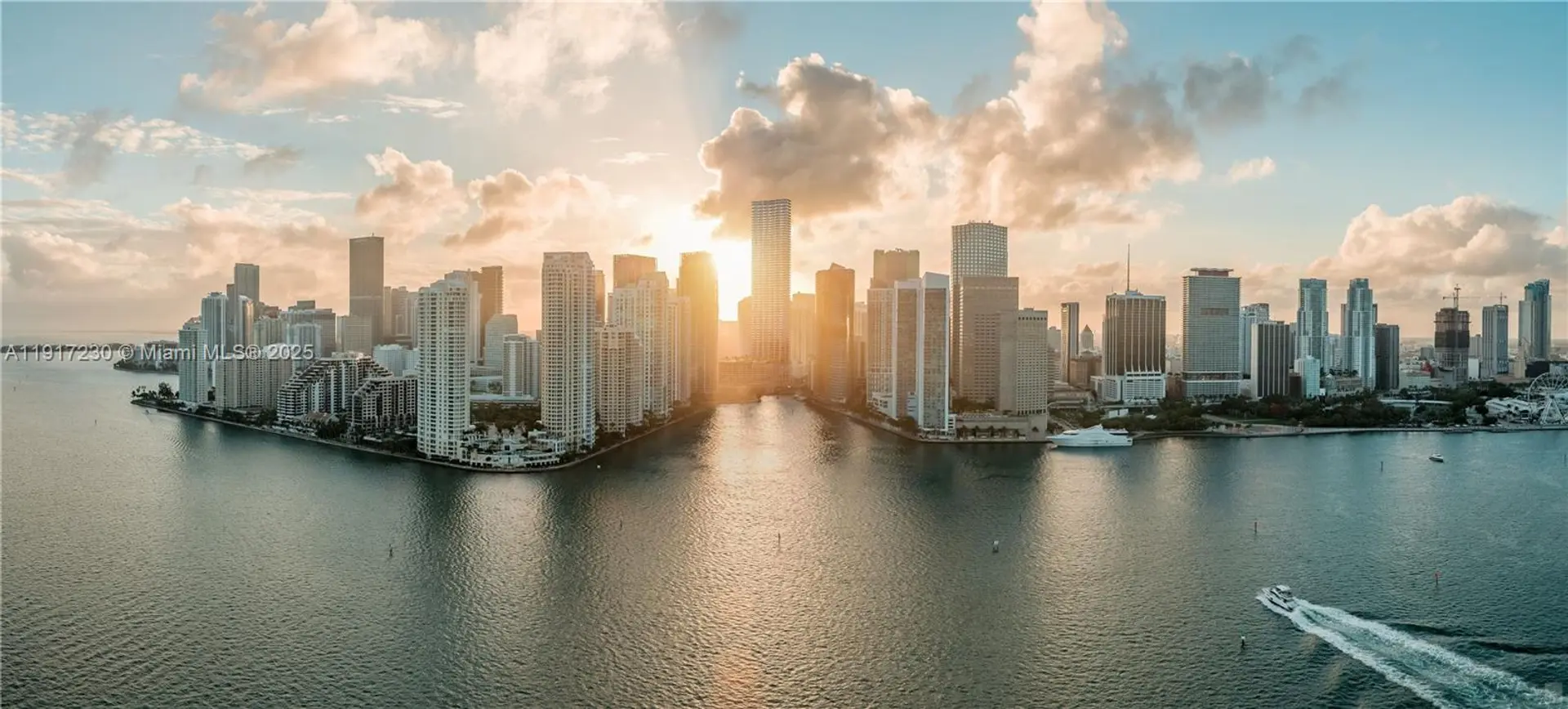
Neighborhoods, schools, taxes, and timing. Moving to Miami is exciting, and a little overwhelming. The city is really a collection of very different communities, each with its own pace, price range and personality. This guide brings together what our relocating clients ask about most, so you can plan your move with confidence and find a home that fits the way you want to live.
Why so many people are choosing Miami
South Florida offers year-round sunshine, a truly international culture, world-class dining and direct flights to Latin America, Europe and every major U.S. city. Florida has no state income tax, which is a meaningful advantage for many families and business owners. Add a growing base of finance, technology and healthcare employers, and it is easy to see why Miami has become one of the country's most sought-after places to live.
Step 1: Define how you want to live
Before looking at listings, spend some time on the questions that shape everything else:
Do you want walkable city life, a quiet residential street or a beachfront routine?
How important are school districts, commute times and airport access?
Do you prefer a full-service condominium or a single-family home with a yard?
Do you need a dock, space for guests or a home office?
Your answers will narrow a very large region down to a handful of neighborhoods worth exploring in person.
Step 2: Get to know the neighborhoods
Brickell and Downtown
The financial center of Miami, with high-rise living, restaurants, nightlife and offices within walking distance. Ideal for professionals who want an urban lifestyle and minimal driving.
Coral Gables
Tree-canopied streets, Mediterranean-style homes, strong schools and a charming downtown. A favorite for families who want space close to the city.
Coconut Grove
A relaxed bayfront village with parks, marinas and a strong community feel, just minutes from Brickell.
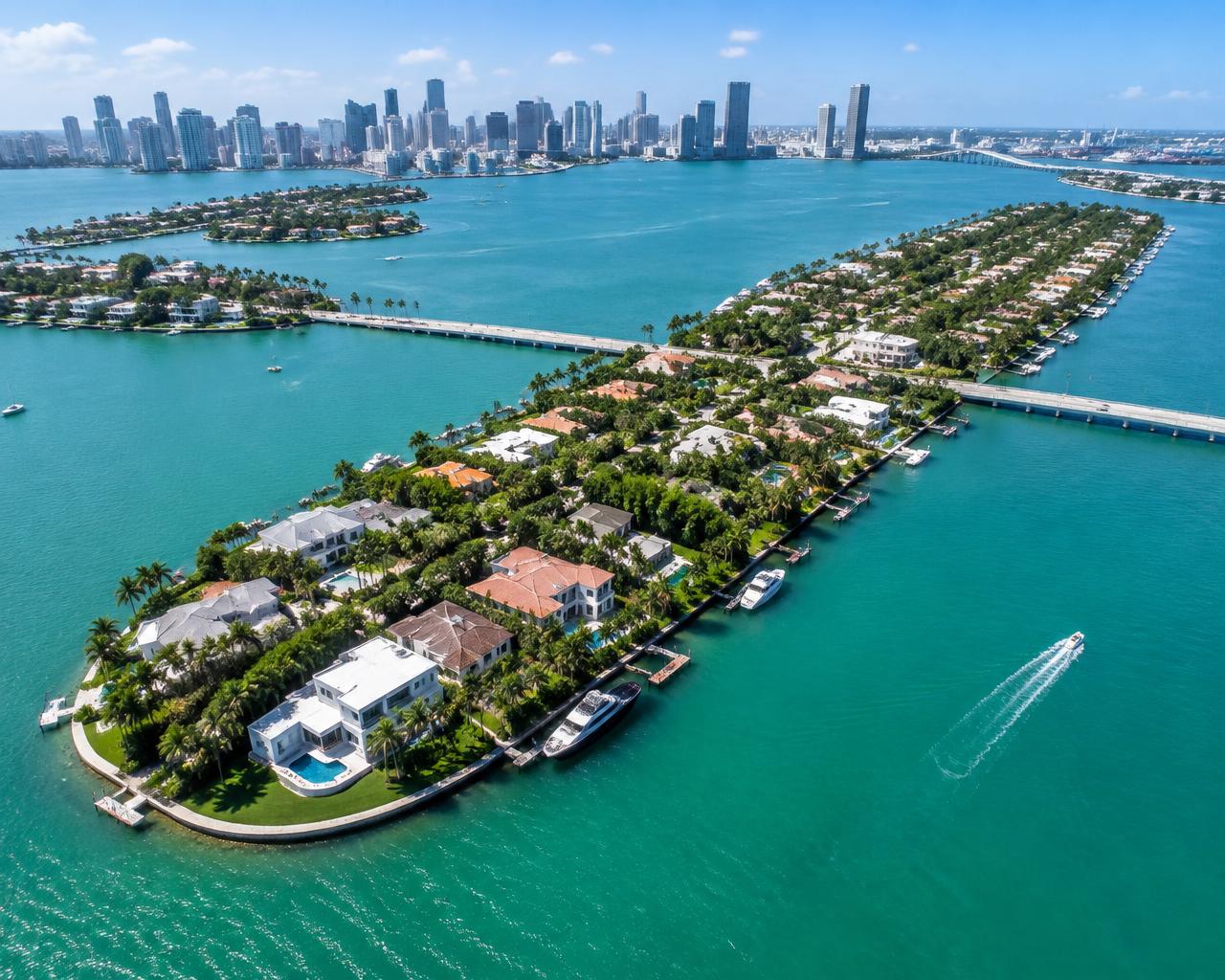
Miami Beach and the islands
From South of Fifth to the Venetian Islands, Star Island and Palm Island, Miami Beach offers everything from oceanfront condominiums to some of the most exclusive waterfront estates in the country.
Key Biscayne
An island community with beaches, parks and a small-town feel, connected to downtown by a single causeway.
Aventura, Sunny Isles and the north
Larger condominium residences, resort amenities and easy access to both Miami and Fort Lauderdale.
Step 3: Understand schools
Miami-Dade County Public Schools is one of the largest districts in the country and includes highly rated magnet and specialized programs. The region is also home to a wide range of respected private and international schools, many with bilingual curricula. Admission timelines for private schools often start a year in advance, so begin early if this matters to your family.
Step 4: Plan your budget and costs
Beyond the purchase price, factor in the costs that are specific to South Florida:
Property taxes: based on assessed value and the local millage rate. Florida's homestead exemption can reduce taxes on your primary residence and limit annual increases in assessed value.
Insurance: homeowners, windstorm and flood coverage can vary widely by location, elevation and construction year. Request quotes before you make an offer.
Association fees: condominiums and some communities charge monthly fees that may include insurance, reserves, amenities and services.
Closing costs: title insurance, documentary stamp taxes, lender fees and attorney fees.
Step 5: Get your financing ready
If you plan to finance, get pre-approved before you start touring. Sellers in competitive price points expect proof of funds or a strong pre-approval with any offer. International buyers can obtain U.S. mortgages through lenders that specialize in foreign nationals, although down payment requirements are usually higher.
Step 6: Consider renting first
Many families rent for six to twelve months while they learn the city. It is a practical way to test commutes, schools and neighborhoods before committing to a purchase.
Step 7: Choose the right timing
Miami's market is busiest from late fall through spring, when seasonal residents return. Summer often brings fewer competing buyers and more negotiating room, while the school calendar pushes many families to close before August.
Step 8: Make the move
Once you are under contract, schedule inspections early, confirm insurance quotes, and book movers well in advance during peak season. After closing, file for your homestead exemption by the state deadline if the home is your primary residence, update your driver's license and vehicle registration, and register to vote in Florida.
Let's plan your move together
Relocating is much easier with a local guide. I can organize a neighborhood tour tailored to your priorities, introduce you to trusted lenders, insurance agents and attorneys, and help you find the right home at the right time. Reach out whenever you are ready to start.