
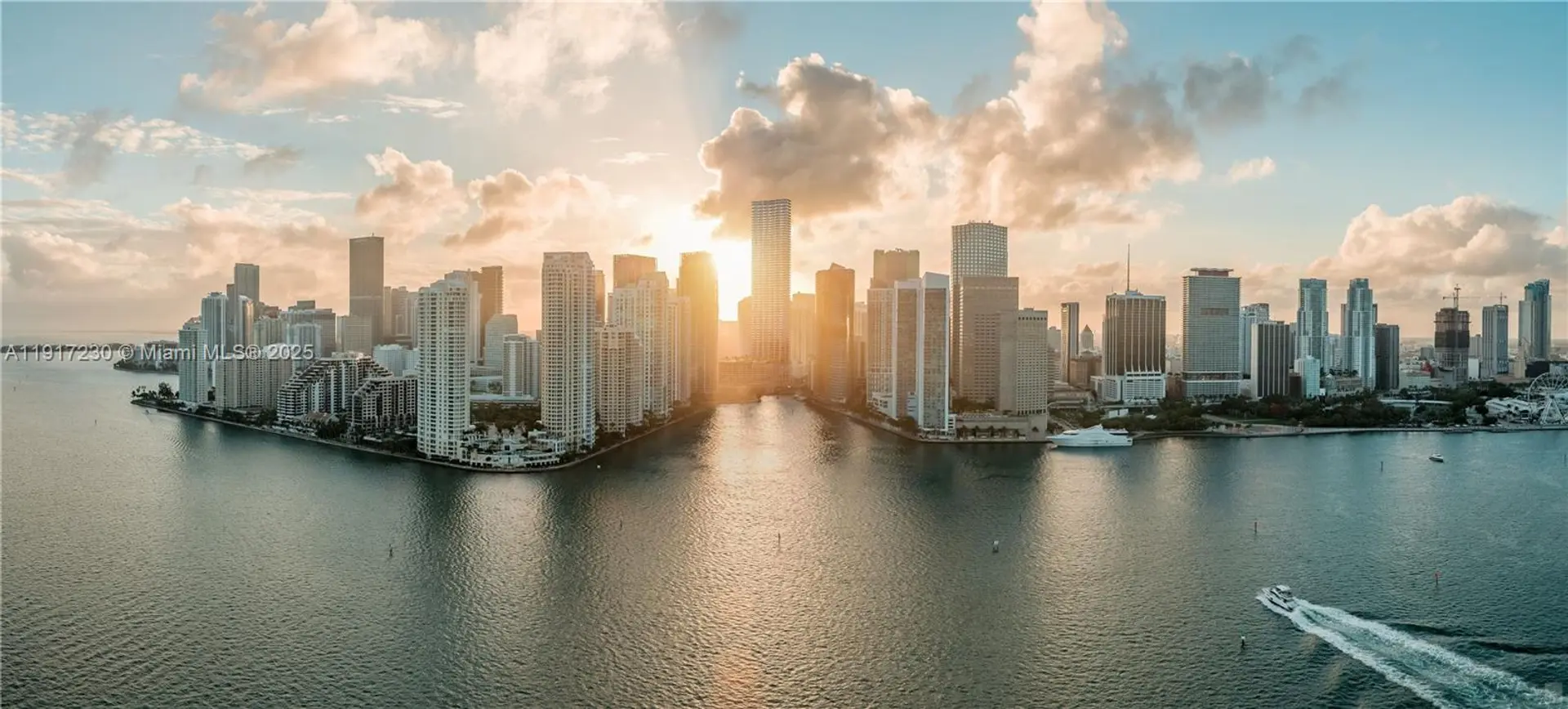
Financing, structure and closing from abroad. Miami is one of the most international real estate markets in the world. Buyers from Latin America, Canada and Europe choose South Florida for lifestyle, stability and long-term value. Buying from abroad is very achievable, but it follows its own steps. Here is how the process usually works.
1. Define your goals
A vacation home, a residence for your children while they study, a rental investment and a future primary home each lead to different choices of neighborhood, building and ownership structure. Clarify how you plan to use the property and for how long before you begin your search.
2. Assemble your advisory team
International purchases benefit from a coordinated team: a local real estate advisor, a Florida real estate attorney, a cross-border tax advisor and, if you plan to finance, a lender experienced with foreign nationals. Tax consequences depend on your country of residence, so specialized advice before you buy is essential.
3. Decide how you will hold title
Some buyers purchase in their own name; others use a company or a trust for estate planning, privacy or liability reasons. Each option has different tax and reporting implications in the United States and in your home country. Your attorney and tax advisor should help you choose before the contract is signed.
4. Plan your financing or proof of funds
Many international buyers pay cash, which simplifies the process. Financing is available through lenders that work with foreign nationals, usually with a larger down payment and additional documentation of income and assets. Either way, sellers will expect proof of funds or a pre-approval with your offer.
5. Search, visit and make an offer
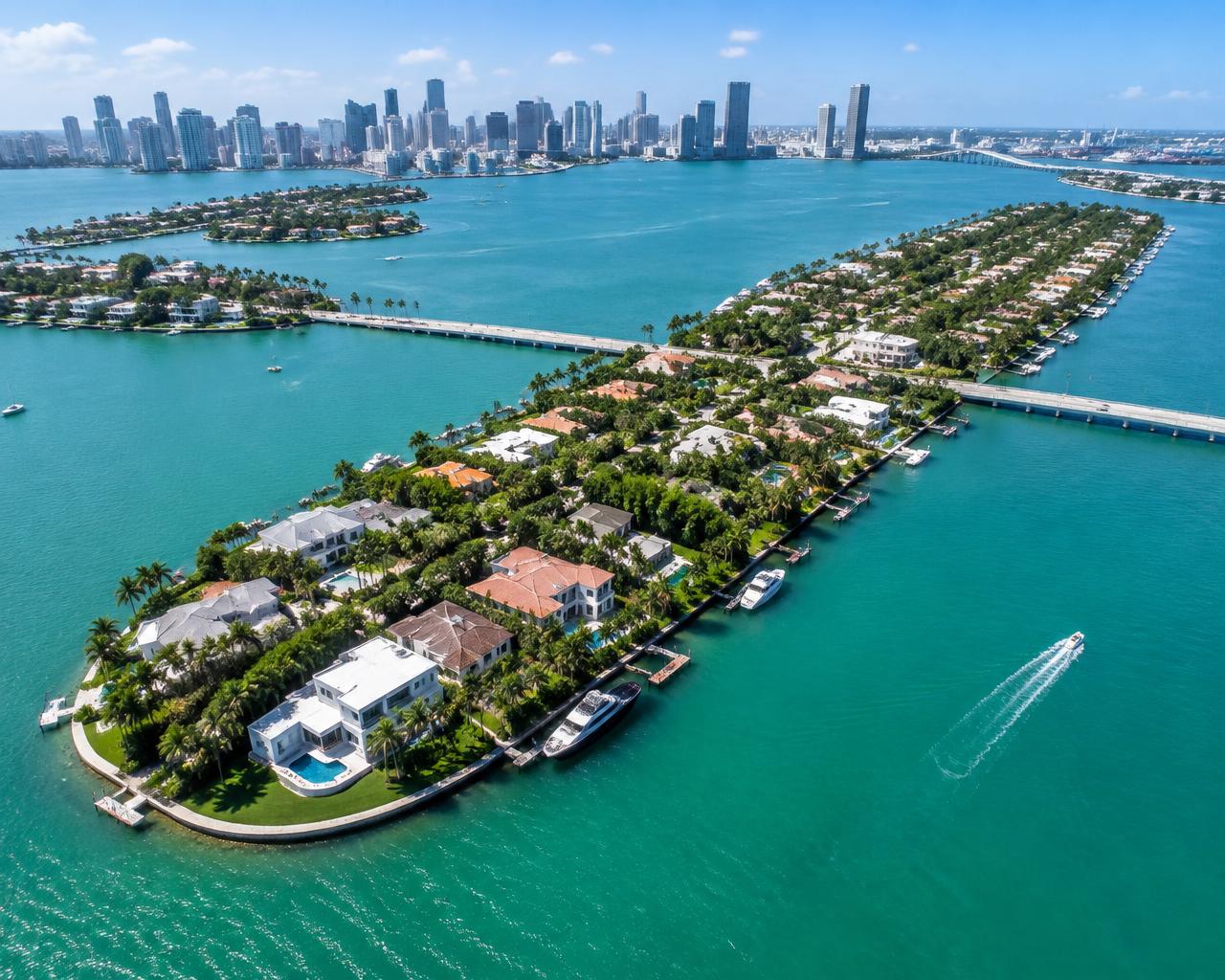
Virtual tours, video walk-throughs and detailed reports make it possible to shortlist homes remotely, but we recommend visiting your top options in person when you can. Once you choose a property, your offer will specify the price, deposit, inspection period, financing terms and closing date.
6. Due diligence
During the inspection period, review the home's condition, insurance costs, property taxes and, for condominiums, the association's budget, reserves, inspections and rules on rentals and pets.
7. Closing from anywhere
Closings can often be completed remotely, with documents signed abroad before a notary or at a U.S. consulate, and funds wired to the escrow account in advance. Plan international transfers early, as they can take several days.
8. After you buy
Set up utilities, insurance and property management if you will be away for part of the year. If you rent the property, your tax advisor will explain reporting and withholding obligations for foreign owners.
I work with international families every season. If you are considering Miami, I would be glad to organize a virtual consultation and connect you with trusted local professionals.